Tooth Sensitivity
Tooth Sensitivity to Hot and Cold- Causes, Treatment and Prevention
By Dr. Bhawna Tickoo
Do you feel any pain or sensitivity in your teeth when you sip a cup of hot tea or enjoy your cold ice cream? This discomfort is a sign of tooth sensitivity, which is a common dental problem, affecting people of all ages. At Singh Dental Care, we often see patients ignoring such issues until it becomes worse. Understanding the cause and seeking timely proper treatment can save the teeth from any permanent damage.

What Is Tooth Sensitivity?
Tooth sensitivity is also known as dentin hypersensitivity, and it is a condition where teeth react painfully to hot, cold, sour, sweet, or even acidic foods and drinks. This pain is usually temporary and starts all of a sudden, but it can also indicate an underlying dental problem which needs immediate attention.
What Causes Tooth Sensitivity?
1. Worn Out Tooth Enamel
Enamel is the outermost protective layer of the tooth. Aggressive brushing, using hard-bristled toothbrushes, or acidic foods can wear it down, exposing the sensitive inner layer known as dentin.
2. Gums Receding
When gums recede, the tooth roots become exposed. Since roots don’t have enamel, they are very much sensitive to any kind of temperature changes.
3. Tooth Cavities or Decays
Cavities make hot, sweet and cold sensations to teeth as they reach the nerve endings inside the tooth till depth, causing severe pain.
4. Cracked Teeth or Chipped Teeth
Cracks in the teeth can expose the dentin or pulp inside, leading to a sharp sensitivity, especially when there are any changes in the temperature.
5. Dental Procedures
Procedures like scalings, fillings, root canals, crowns, tooth extractions, teeth whitening can temporarily increase sensitivity and this later subsides within a few days.
6. Teeth Grinding (Known as Bruxism)
Grinding your teeth can wear down enamel over time, making the teeth more sensitive.
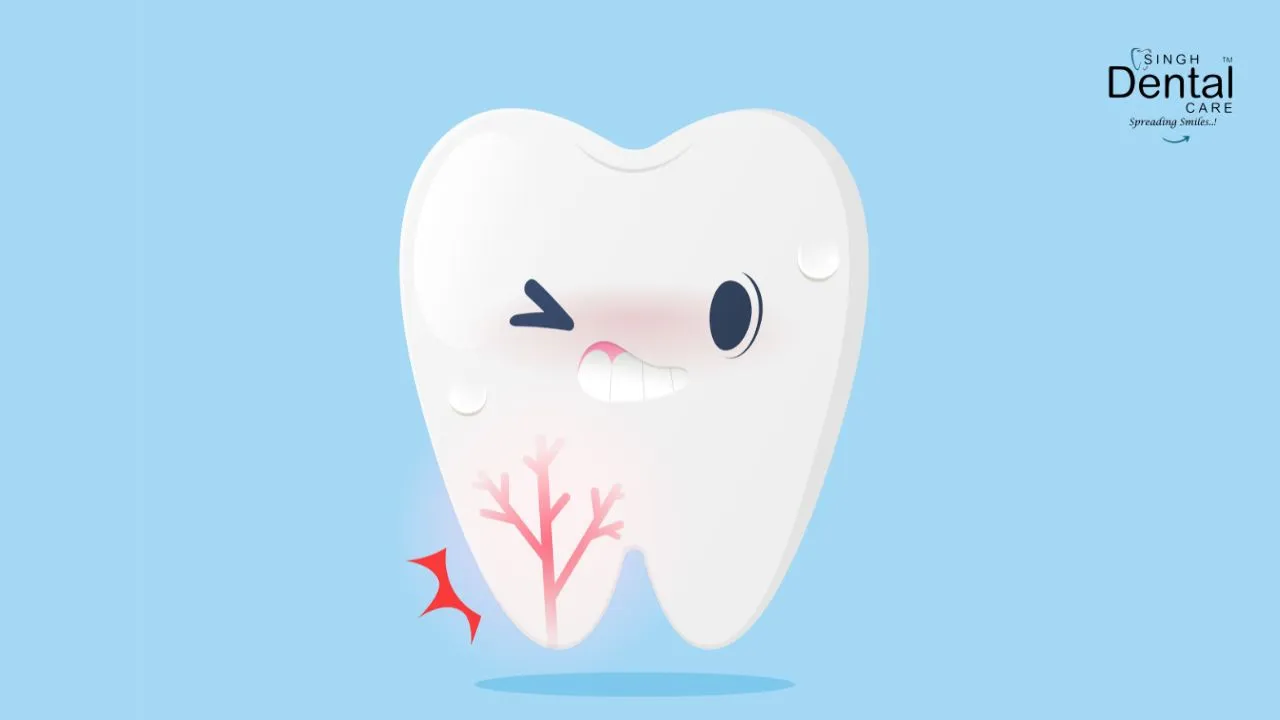
Symptoms You Shouldn't Ignore
Severe pain when consuming hot, sweet or cold food
Discomfort in gums while brushing or flossing
Sensitivity to sweet, cold, hot or acidic foods
Pain in one specific area of the tooth or in multiple teeth
If any of these symptoms persist, it’s very important to consult a dentist immediately.
Quick Relief: What You Can Do at Home
While these tips won't fix the underlying cause, they can ease discomfort until you see a dentist:
Switch to a soft-bristled toothbrush and avoid scrubbing hard
Use a desensitizing toothpaste for a few weeks to see if symptoms improve
Avoid very hot, very cold, sugary, or acidic foods and drinks temporarily
Rinse with lukewarm salt water to soothe irritated gums
Avoid whitening toothpaste or products, which can increase sensitivity
⚠️ These are temporary measures only — persistent sensitivity still needs a dental check-up to rule out decay, cracks, or gum recession.
Treatment for Tooth Sensitivity at Singh Dental Care
At Singh Dental Care, we provide personalized, detailed treatment after identifying the cause of sensitivity.
Recommending Desensitizing Toothpaste - Special medicated toothpastes help block any pain signals from reaching the tooth nerve. Regular use of such toothpastes show noticeable improvement as suggested by the dentist.
Professional Fluoride Application - Fluoride application strengthens enamel and reduces tooth sensitivity.
Dental Fillings and Dental Sealants - In case of sensitivity caused by cavities or any exposed roots, then dental fillings or dental sealants are an effective way to protect the affected areas.
Gum Treatment for Recession - For gum recession, advanced periodontal treatments like Flap surgeries, Curettage, soft or hard tissue grafting etc can help to protect the exposed roots.
Night Guards Usage - Custom-made night guards are recommended for patients who grind their teeth at night.
Root Canal Treatment - Incase where tooth is severely decayed, the dentist can recommend Root Canal treatment for those cases.
Tooth Extraction - If the tooth is extremely mobile and causing the gum inflammation ultimately leading to sensitivity, tooth extraction is advised.
How to Prevent Tooth Sensitivity
Always use a soft-bristled toothbrush
Brush gently by using proper brushing technique
Avoid excessive consumption of acidic, hot and cold foods and drinks
Maintain regular dental check-ups and scaling appointments
Don’t ignore any signs of dental discomfort
Why Choose Singh Dental Care?
At Singh Dental Care, our specialist doctors focus on preventive and advanced dental care solutions. With world-class technology, specialist dentists, and patient-friendly membership plans, we ensure honest, transparent, affordable and patient centric dental care for you and your family.
When Should You See a Dentist?
If tooth sensitivity lasts more than a few days or worsens over time, then delay can be a problem. Early diagnosis can prevent any future complications like infections or root canals issues.
So Book your consultation today at any of the Singh Dental Care Branches and enjoy pain-free smiles again!
Frequently Asked Questions
What causes tooth sensitivity to hot and cold?
Is tooth sensitivity a sign of a serious problem?
How can I stop my teeth from being sensitive to hot and cold?
Does desensitizing toothpaste actually work?
Can gum recession cause tooth sensitivity?
When should I see a dentist for tooth sensitivity?
Can teeth grinding (bruxism) cause sensitivity?
Is it normal for teeth to be sensitive after a filling?
What treatments are available for severe tooth sensitivity?
About Singh Dental Care
Singh Dental Care is a premier dental clinic dedicated to providing world-class oral healthcare with a focus on patient comfort and advanced technology.