When to Visit a Dentist
Loose Teeth - When to Visit a Dentist
By Dr Bhawna Tickoo
Loose teeth are a normal thing in children, but loose permanent teeth in adults is not normal. If a tooth feels shaky while chewing, it’s a clear sign that something is wrong beneath its surface. Ignoring this can lead to tooth loss and cause serious oral health issues.
Is a Loose Tooth an Emergency?
In adults - yes, it is an emergency. Even mild tooth mobility indicates gum disease, infection, and even bone loss. Early diagnosis increases the chances of saving one’s natural teeth.
Causes of Loose Teeth in Adults
1. Gum Diseases
Gum diseases are the most common cause of loosening of adult teeth. Plaque buildup around the teeth leads to damaging the gums and jawbone that support teeth.
Signs include -
> Bleeding gums
> Bad odor breath
> Recession of gums
> Movement of teeth
2. Dental Trauma
Accidents, falls, or injuries during playing any kind of sports can loosen teeth by damaging their supporting ligaments.
3. Grinding of Teeth
Bruxism or constant clenching and grinding of teeth puts extra pressure on the teeth, which makes them loose with time.
4. Tooth Abscess
Untreated infections destroy the bone and tissue surroundings.
5. Bone Loss
Bone density issues or ill-fitting crowns and bridges, weaken the tooth support.
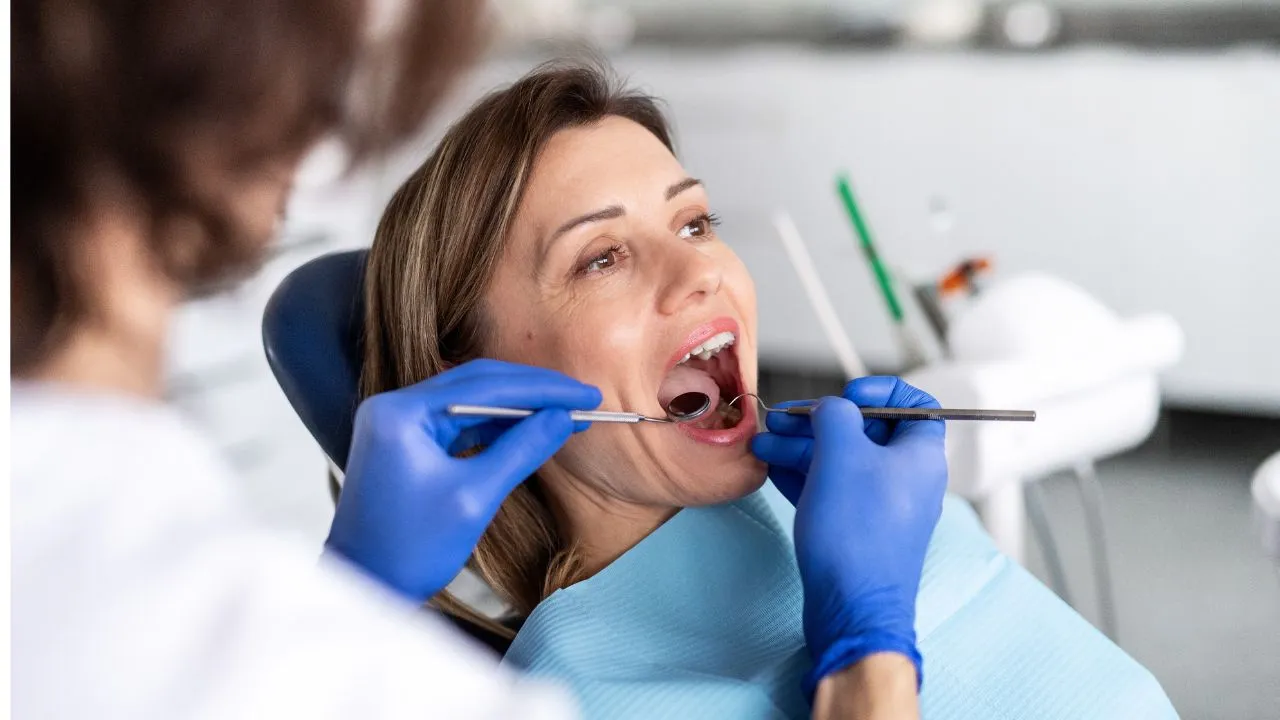
Treatment Options for Loose Teeth
treatment varies like -
> Professional scaling& polishing
> Root planning & Curettage
>bone grafting
>Flap Surgery
> Splinting for stabilizing loose teeth
> Bite correction by giving night guards to prevent teeth grinding
>Or sometimes extraction.
Can We Prevent Loose Teeth?
By some simple daily routine habits we can make a big difference -
> Brushing twice daily and flossing regularly
> Visiting dentist every 6 months for routine check up and professional scaling
> Treating the bleeding gums at an early stage
> Avoiding use of tobacco
> Wearing a mouthguard for protecting from grinding of teeth
WHICH TREATMENT
But you require which treatment depends upon the problem and that can only be told after diagnosing the patient clinically and after taking some x rays.
So we suggest you to visit Singh Dental Care and get your detailed check up done
Never Ignore a Loose Tooth
A loose tooth is your body signalling for timely dental care that can save your tooth. Book your appointment today!!!
Frequently Asked Questions
Is a loose permanent tooth normal in adults?
What causes loose teeth in adults?
Can a loose tooth be saved?
What are the warning signs of gum disease causing loose teeth?
How can I prevent my teeth from becoming loose?
When should I see a dentist for a loose tooth?
What treatments are available for loose teeth?
Dr. Bikramjeet Singh
BDS & Fellowship in ImplantologyChief Dental Surgeon & Implantologist • Singh Dental Care
This article has been authored and clinically verified by licensed dental professionals at Singh Dental Care to ensure evidence-based, safe, and accurate oral healthcare guidance.